Smart lighting has become a defining element in modern architectural design. It is no longer treated as a standalone technical system, but as an integrated part of how spaces function, feel and evolve over time. In contemporary architecture, lighting is expected to support experience, efficiency and long-term performance simultaneously.
For architects and designers, smart lighting provides a way to connect design intent with real-world use.
Lighting as part of the architectural concept
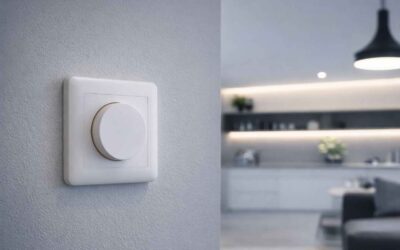
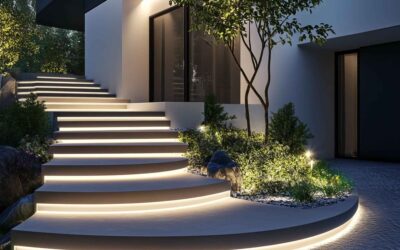
Every lighting solution begins with an idea shaped by the architectural vision. Smart lighting allows that idea to extend beyond static illumination, enabling spaces to respond to daylight, activity and human presence.
By integrating sensors, controls and intelligent systems, lighting becomes dynamic rather than fixed. Spaces can adapt naturally throughout the day, maintaining visual comfort while reinforcing the intended atmosphere and function of the architecture.
Performance that supports design over time
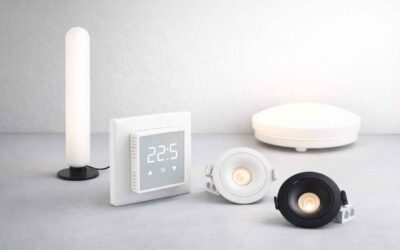
In architectural projects, lighting quality must be maintained long after installation. Smart lighting systems are built on luminaires that deliver consistent output, thermal stability and long service life.
High-quality components, precise engineering and thorough testing ensure that smart lighting solutions perform reliably in real environments. This reliability protects design intent over time and reduces the need for maintenance, adjustments or replacement.
Efficiency through intelligence
Energy efficiency is a key driver in modern architecture. Smart lighting systems reduce energy consumption by adjusting light levels based on daylight availability and occupancy.
This intelligent control allows energy savings without compromising visual comfort. Rather than relying on manual intervention, smart lighting continuously balances performance and efficiency, supporting both sustainability goals and user well-being.
Sustainability as an integrated principle
Sustainability in smart lighting goes beyond energy use. Material selection, production processes and transparent documentation all influence environmental impact.
By using efficient LEDs, durable construction and Environmental Product Declarations, smart lighting solutions support responsible specification and circular design thinking. Products designed for long service life reduce waste and contribute to more sustainable buildings over time.
Designed for flexibility and future needs
Modern architectural spaces are expected to change. Functions evolve, users change and technology advances. Smart lighting systems support this flexibility by allowing reconfiguration without major physical intervention.
This adaptability makes buildings more resilient and future-ready, reducing the need for costly retrofits and extending the relevance of the original design.
Confidence for architects and professionals
For architects, installers and project owners, smart lighting offers confidence. Confidence that the lighting will perform as intended, integrate seamlessly and continue to support the space throughout its lifecycle.
When development, quality and sustainability are aligned, smart lighting becomes more than a system — it becomes part of the architecture itself.